

For many years, Environmental, Social, and Governance (ESG) practices were seen as something relevant mainly to large multinational corporations and publicly listed companies.
For small and medium-sized enterprises (SMEs), sustainability reporting often felt distant, complex, and sometimes even unnecessary.
That perception is now changing rapidly.
Across global markets, ESG expectations are increasingly influencing how businesses access capital, enter supply chains, and export their products. What was once considered a corporate responsibility initiative is now becoming a commercial requirement.
For exporters and SMEs, ESG is no longer optional.
Many international buyers now require their suppliers to demonstrate responsible environmental and social practices.
This can include:
Large companies face regulatory pressure to report on the sustainability of their supply chains. As a result, ESG expectations are cascading down to smaller suppliers and exporters. (Read more here)
For SMEs that rely on global markets, the ability to demonstrate ESG readiness can increasingly determine whether they win or lose contracts.
Financial institutions are also integrating ESG considerations into lending and investment decisions (Read more here)
Banks, investors, and funds are increasingly asking businesses to demonstrate:
For SMEs seeking financing or investment, having a basic ESG framework in place can significantly improve credibility and access to capital.
SGovernments around the world are introducing new sustainability reporting requirements and supply chain regulations.
These policies aim to improve transparency on issues such as:
Even if an SME is not directly subject to these regulations, it may still be affected if it supplies products or services to companies that must comply with them.
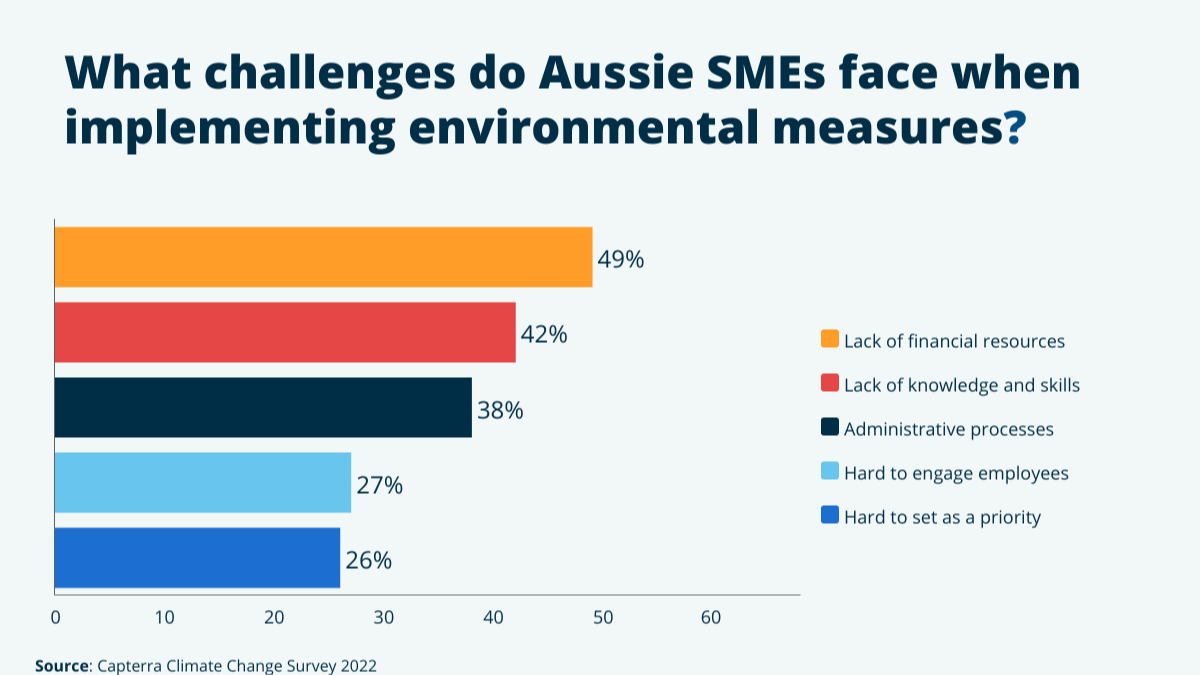
Despite the growing importance of ESG, many SMEs face a practical challenge.
They often lack:
For smaller businesses, ESG can appear complex and overwhelming. However, in most cases, the first step is not about producing long reports or sophisticated sustainability disclosures (Read more here)
It begins with understanding the current position of the business and identifying practical improvements
Forward-looking SMEs are starting to recognise that ESG is not only about compliance.
When implemented effectively, ESG practices can help businesses:
For exporters, demonstrating responsible and sustainable practices can also become a powerful market differentiator.
For many SMEs and exporters, the most effective starting point is an ESG readiness assessment. This helps businesses:
Rather than treating ESG as a compliance burden, businesses can approach it as an opportunity to strengthen governance, efficiency, and long-term competitiveness.
The global business environment is evolving quickly. Sustainability, transparency, and responsible governance are becoming central to how companies operate and collaborate.
For SMEs and exporters, ESG is no longer a distant corporate concept. It is increasingly part of the new language of global trade and responsible business.
Businesses that begin preparing now will be better positioned to navigate this transition and capture opportunities in a more sustainability-focused global economy.